
Guide
Why green is used in traffic signals
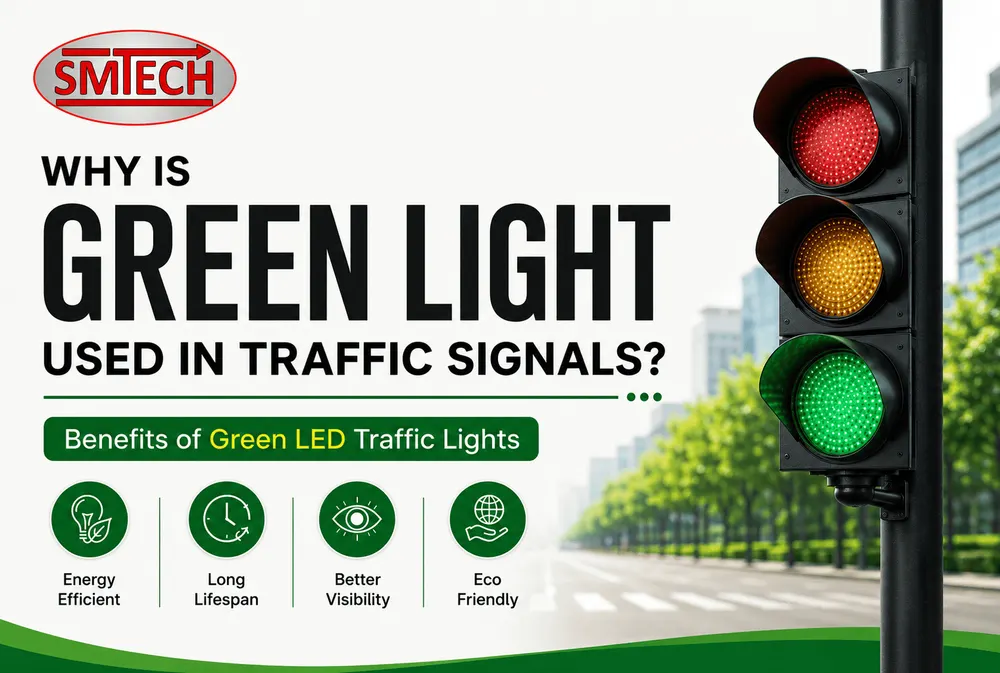
What Is a Traffic Light?
A traffic light is a signaling device positioned at road intersections, pedestrian crossings, highways and other locations to control conflicting flows of road traffic. A traffic light is one element of a traffic control system. Traffic lights are used to manage traffic flow; reduce traffic congestion; improve road infrastructure; and increase road safety. Most modern signalized intersections use LED traffic signal lights, providing bright, very reliable, energy efficient traffic signals to control traffic at any time of day, and at any level of traffic. A well-designed traffic signal should allow traffic to pass safely and efficiently through busy road intersections of varying traffic conditions.
Why Is Green Light Used in Traffic Signals?
Green light is also used in traffic lights for this reason, since it is very visible, is associated with safety, permission and movement, and red means danger and stopping.
There were several reasons that green became the color for traffic.
- High Visibility - Green is easily seen in daylight, rain, and fog, making it a good choice as a signal light color in paved road environments.
- Quick Recognition - An advantage of a driver seeing a green signal is that the signal can be acted on.
- Improved Traffic Flow - The green signal allows vehicles through the intersection, reduces the time vehicles wait and provides better traffic flow.
- Supports the Green Wave Traffic Systems - Many cities implement what is known as a green wave where multiple traffic signals are in sync, providing a series of green lights at a constant speed to avoid stop-and-go conditions.
As a result, the green signal remains part of modern traffic lights and smart traffic management systems.
Why Are Traffic Lights Red, Yellow, and Green Important for Traffic Management?
The red, yellow and green lights offer a simple but effective way of controlling the flow of the vehicle.
The signal timing is determined by a traffic engineer to best suit the road, intersection and traffic conditions. Proper signal coordination provides:
- Reduce vehicle conflicts
- Prevent accidents
- Improve intersection efficiency
- Manage peak-hour traffic
- Enhance pedestrian safety
- Support the movement of emergency vehicles
Without standardized traffic signals intersections would be even more dangerous and congested.
How Long Does a Traffic Light Stay Green?
There is no fixed duration for how long a traffic light remains green. The timing depends on several factors, including:
- Traffic Volume - Intersections with heaviest traffic typically have the longest green lights.
- Time of Day - Signal timing may change during morning rush hours, during the day, during evening commutes and during nighttime hours.
- Road Design - Signal timing is affected by the number of lanes, turning movements and pedestrian crossings.
- Smart Traffic Control Systems - Modern smart traffic systems are equipped with sensors and cameras, which can dynamically change the duration of the signal, depending on the conditions on the road.
In most cities, a green light can be on for anywhere between 15 seconds and more than 60 seconds according to traffic needs. Advanced systems are able to dynamically tune signal durations to enhance the efficiency of traffic operations and minimize delays.
Green LED Traffic Lights Are Used In
One type of light fixture that sees heavy use in traffic signal and ITS applications is the Green LED Traffic Light.
- Road Intersections - Used to control traffic at busy urban and rural intersections.
- Highways and Expressways - Manages entry and exit points to allow smooth flow to the area.
- Smart City Projects - Adopted into smart transportation systems for automated traffic control.
- Industrial Facilities - Used in industrial plants, warehouses and other logistics facilities to control vehicle movements.
- Pedestrian Crossings - Provides clear signals for both pedestrians and motorists.
- Toll Plazas and Parking Areas - Helps direct traffic efficiently and reduce congestion.
Benefits of Green LED Traffic Lights
Modern Green LED Traffic Lights have many advantages compared to older incandescent Traffic Light systems.
- Energy Efficiency - LEDs consume considerably less power and thus reduce energy consumption and operating cost.
- Longer Service Life - Because LED traffic lights are more durable, they also require less maintenance and replacement.
- Superior Brightness - LEDs can be seen clearly in both daylight and darkness.
- Enhanced Road Safety - Clearer and brighter signals allow faster driver response leading to improved road safety.
- Environmentally Friendly - Less energy usage results in lower environmental impact and a greater scope for infrastructure development.
- Reliable Performance - LED traffic lights work on the same principle in rain, sleet, snow, or fog.
- Reduced Maintenance Costs - Additionally, because LEDs have a much longer operating life, municipalities and infrastructure operators save on maintenance and labor.
Frequently asked questions
What does a green traffic light mean?
Green signals for vehicles and pedestrians indicate that they may proceed when it is clear and safe.
What does a flashing green traffic light mean?
A flashing green traffic light indicates that the signal is about to change and drivers should proceed with caution and be prepared to stop.
How long does a traffic light stay green?
Depending on traffic volume, roadway design, and signal programming, the green phase is usually between 15 seconds and 60 seconds or more.
What is a stale green traffic light?
A stale green traffic light is a green light that has not recently changed to green, and is about to change to yellow, requiring the driver to be cautious.
What does a green traffic light indicate?
Whether it is safe to proceed through the controlled intersection is indicated by the green traffic light signal, subject to the law and the road being clear.
This guide is general information and does not describe a specific model. Specifications and prices of our products are on their own pages and are confirmed in a written quotation.
Tell us what you need.
Send the product, the quantity and where it will be installed. We reply with a written quotation.