
Guide
How to choose the right LED traffic stop light
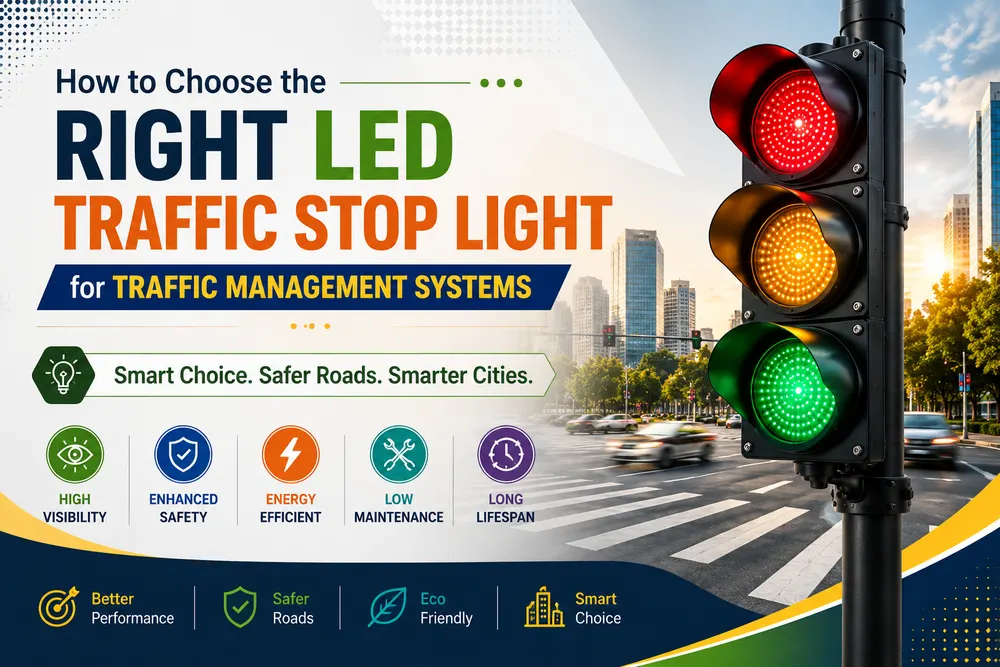
The selection of the appropriate LED Traffic Stop Light is based on the traffic application, installation requirements, environmental protection, LED performance, power consumption, and visibility. The light should provide a good stopping indication, be visible in various lighting conditions and function well in the type of outdoor and traffic control environment in which it will be used.
What Is an LED Traffic Stop Light?
LED Traffic Stop Light is a traffic control device that provides a visual indication to a driver, pedestrian, traveler or operator of equipment to stop and that a vehicle must not proceed or enter an area controlled by the traffic control device. Traffic signals today have mostly replaced incandescent and fluorescent light sources with light-emitting diodes (LEDs), which provide directional light, high efficiency, and superior turn-on characteristics to meet fast response time requirements.
A LED traffic stop light may be used in various road traffic control systems based on the road layout, control requirement, mounting arrangement, and distance from the signal.
How Does an LED Traffic Stop Light Work?
A LED Traffic Stop Light depends on electric current flowing and converting power to visible light by light-emitting diodes (LEDs). Power and control signal are connected to the stop light signal to make the stop indication illuminate.
The basic operation includes:
- 1. Power supply: Electrical power is supplied to the lighting unit.
- 2. Control system: Determines when the stop signal should operate.
- 3. LED array: Produces the visible light indication.
- 4. Mounting structure: Places the signal in a position of good visibility.
Traffic light control is concerned with all situations where the most important function is to make a clear and decisive signal according to the given distance.
What Factors Should You Consider When Choosing an LED Traffic Stop Light?
When selecting an LED Traffic Stop Light in India, buyers should consider factors such as daytime visibility, operating conditions, power requirements, weather protection, mounting position, and compatibility with the intended traffic management system.
1. Visibility and Light Intensity
Visibility is one of the most important factors. The signal should remain clearly recognizable during daylight, nighttime, and changing weather conditions.
Consider:
- Required viewing distance
- Daytime visibility
- Nighttime brightness
- Viewing angle
- Ambient lighting conditions
- Potential glare
A signal that is too dim may be difficult to identify, while excessive brightness can create unwanted glare in certain environments.
2. LED Quality and Light Performance
The quality of the LED components influences light output, consistency, energy consumption, and operating life. A suitable traffic signal should provide uniform illumination without noticeable dark spots or inconsistent brightness.
3. Power Consumption
Traffic lights can operate for long periods, so energy consumption is an important consideration. LED technology can provide efficient illumination compared with traditional incandescent signal lamps.
When comparing products, buyers should review:
- Rated power
- Operating voltage
- Energy consumption
- Power-supply requirements
- Compatibility with the existing control system
Lower power consumption can be particularly useful where multiple traffic signals operate continuously.
4. Outdoor and Weather Resistance
Most traffic stop lights are installed outdoors and may be exposed to rain, dust, sunlight, temperature changes, and other environmental conditions.
The housing should therefore provide suitable protection for the electrical and optical components. Buyers should check the manufacturer's stated IP rating, operating temperature range, housing material, and corrosion-resistance characteristics where applicable.
5. Size and Signal Configuration
The appropriate size depends on the road layout and viewing distance. A signal used at a small private entrance may have different requirements from one installed at a busy road intersection.
Consider:
- Signal diameter or dimensions
- Number of LED modules
- Mounting position
- Required viewing distance
- Road width
- Traffic volume
The signal configuration should provide sufficient visibility without creating unnecessary visual clutter.
Why Is LED Technology Suitable for Traffic Stop Lights?
LEDs offer several characteristics that make them suitable for signalling applications.
- Fast illumination: LEDs reach their operating brightness quickly.
- Energy efficiency: They generally require less electrical power than conventional incandescent signal lamps.
- Long operating life: Quality LED components can provide extended service when operated within their specified conditions.
- High visibility: Properly designed LED optics can provide strong and focused light output.
- Low maintenance: Longer component life can reduce the frequency of lamp replacement.
- Compact design: LED modules can be integrated into relatively compact signal housings.
However, actual performance depends on LED quality, electrical design, thermal management, environmental conditions, and manufacturing quality.
What Should You Check When Choosing LED Traffic Stop Light Suppliers?
When evaluating LED Traffic Stop Light Suppliers, buyers should compare the technical specifications and support offered with the actual requirements of the project.
Before placing an order, consider:
| Factor | What to Check |
|---|---|
| LED performance | Brightness and illumination consistency |
| Power | Rated voltage and wattage |
| Housing | Material and outdoor suitability |
| Protection | Applicable IP rating |
| Dimensions | Compatibility with installation location |
| Mounting | Available mounting arrangement |
| Control | Compatibility with traffic controller |
| Documentation | Technical specifications and product information |
| Support | Installation and after-sales assistance |
| Supply | Availability and delivery capability |
What Are the Benefits of Choosing the Right LED Traffic Stop Light?
Selecting a suitable traffic stop light can contribute to better traffic control and easier maintenance.
- Better Visibility: Suitable brightness, optical design, and positioning can improve signal recognition from the required distance.
- Energy Efficiency: LED-based signalling can reduce electrical consumption compared with traditional lighting technologies.
- Reduced Maintenance: Longer-lasting LED components can reduce the frequency of lamp replacement.
- Reliable Outdoor Operation: A properly protected housing can help the signal operate under changing environmental conditions.
- Better System Compatibility: Selecting the correct voltage, control interface, dimensions, and mounting configuration helps the signal integrate more effectively with the existing traffic management system.
Frequently asked questions
What is an LED Traffic Stop Light used for?
LED Traffic Stop Lights are a type of stop signal used at roads, car parks, industrial properties, access points, driveways, and other areas where traffic is controlled.
Are LED Traffic Stop Lights suitable for outdoor use?
Yes, LED traffic stop lights can be designed for outdoor use, but the housing protection, IP rating, operating temperature and other environmental requirements should be confirmed by the buyer.
How do I choose the right LED Traffic Stop Light?
Consider visibility, LED performance, power consumption, dimensions, environmental protection, mounting arrangement, controller compatibility, and the specific traffic application.
Do LED Traffic Stop Lights consume less power?
LED technology generally provides efficient illumination compared with conventional incandescent lighting. Actual power consumption depends on the LED configuration, rated wattage, and product design.
This guide is general information and does not describe a specific model. Specifications and prices of our products are on their own pages and are confirmed in a written quotation.
Tell us what you need.
Send the product, the quantity and where it will be installed. We reply with a written quotation.