
Guide
Elevator overload systems for MRL lifts
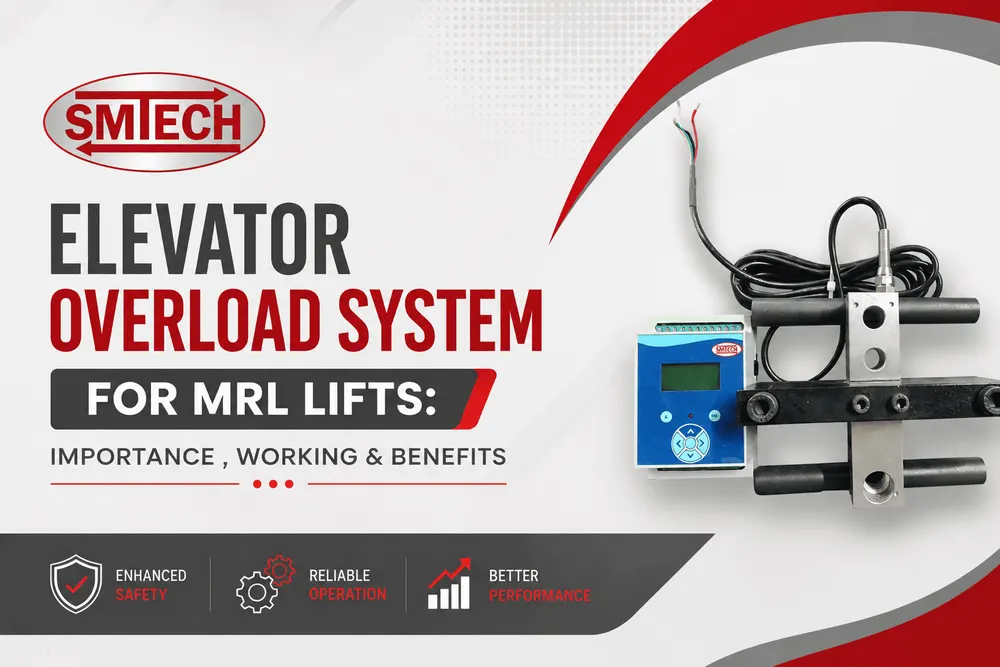
In modern vertical transportation systems, safety and operational efficiency are among the most critical factors. Advanced overload protection systems are more critical than ever as increasingly more Machine Room-Less (MRL) elevators are being installed in residential, commercial, and industrial buildings. An Elevator Overload System for MRL Lifts will allow for the prevention of the elevators operating outside of the specified weight capacity, thus ensuring the safety of the passengers and smooth lift performance. These systems are intended to identify overloading situations and alert to them as soon as the lift begins to operate.
What is an Elevator Overload System ?
An Elevator Overload System is a safety device designed to detect the load on elevators. The system automatically identifies the overload condition of the elevator if there is an overload of passenger or materials. Once an overload condition is detected, audio-visual alarms are activated and elevator movement is limited until excess load is removed. Today, modern overload systems are equipped with very sensitive sensors like Elevator Load Cell mechanisms that have the ability to accurately and immediately measure load. These systems are particularly relevant in MRL lifts as they need to be compact in design and efficient in operation, necessitating accurate load monitoring.
Importance of Elevator Overload Systems in MRL Lifts
1. Passenger Safety
The main function of an overload system is to ensure the safety of the passengers. If the elevator is not operated within the rated capacity, it can have unexpected malfunctions, brake failure, or imbalance problems. To minimize these hazards, overload protection is used which prevents the lift from operating until safe weight conditions are restored.
2. Prevents Mechanical Damage
Excessive loading puts a lot of strain on the elevator's parts, including its motors, cables, brakes and guide rails. An overload system helps reduce the costs of maintenance by reducing premature wear and tear on these components.
3. Enhances Elevator Performance
The overload system prevents lift movement that is too heavy, ensuring smooth and stable lift action. This helps to increase the efficiency of operation and to maintain the proper leveling and door performance.
Working Principle of Elevator Overload Systems
The Elevator Overload System works on the basis of high technology equipment, based on the sensors. The precision load sensing devices set beneath the cabin platform or suspension mechanism continuously track the load within cabinets of an elevator.
1. Load Detection
A sensitive sensor or Elevator Load Cell unit measures the total weight in the cabin. These sensors are able to measure the weight even if it's just slight.
2. Signal Processing
After the weight data is gathered, the control system compares the weight data to the preset elevator capacity. Once the weight value is reached, it is recognized as an overload condition, without any delay.
3. Audio-Visual Alerts
If overload is detected, warning indicators like alarms, buzzers or display notifications are activated. These alerts warn the passengers to lighten the load prior to the lift's ability to function.
4. Lift Locking Function
Overload system temporarily shuts off lift movement until excessive weight is removed. This will stop the elevator from being operated unskillfully and will save the elevator's parts from being over-stressed.
1. High-Precision Load Sensing
The system features state-of-the-art sensing technology for precise weight measurement with reliable overload detection.
2. Audio-Visual Indication
Integrated alarm systems indicate to the passengers when it is time to warn about overload.
3. Automatic Safety Control
Built-in lift stop control switch to stop operation automatically when the load is exceeded, providing maximum safety.
4. Compact and Durable Design
Designed specifically for MRL elevators, the system offers compact installation while maintaining long-term durability.
5. Easy Integration
The plug and play feature enables easy installation on various elevator brands with minimal changes.
6. Energy Efficient Operation
The low power usage of the overload system is ideal for energy-saving elevator applications.
Benefits of Installing Elevator Overload Systems
1. Improved Passenger Safety
It alerts passengers instantly when the elevator is full, thus decreasing the risk of accidents.
2. Reduced Maintenance Costs
This will reduce wear of elevator parts and reduce repair and maintenance costs, since the system will not overload.
3. Increased Lift Lifespan
When a controlled load is used, the lifespan and durability of elevator systems are enhanced.
4. Better Operational Efficiency
The system provides smooth and stable lift performance and minimizes unnecessary downtime.
5. Reliable Performance
Modern overload systems provide consistent operation and accurate load monitoring for long-term use.
Common Installation Types
The Elevator Overload System for MRL Lifts is flexible in installation for various elevator configurations and operational needs. Typical installations are under platform, cabin floor-mounted load sensing systems, and rope tension sensing systems. Such systems are used to achieve precise weight indication, overload protection and stability in elevator operation for residential, commercial and industrial uses. A number of elevator load cell manufacturers create these systems to be easy to incorporate into current MRL lift systems. In today's day and age, many Elevator Load Cell Manufacturers create advanced sensing solutions to help in the efficient installation and reliable overload detection system for contemporary lift systems.
Frequently asked questions
What is the Elevator Overload System in an MRL (Machine Room-Less) elevator?
An Elevator Overload System is designed to prevent the full operation of an elevator while its load exceeds its rated capacity, protecting passengers and the elevator.
How does an Elevator Load Cell work?
Elevator Load Cell: measures the total weight of the load carried in the elevator cabin, and sends information to the control system for overload detection.
Can Elevator Overload Systems be installed in existing lifts?
Yes, current overload systems are designed for easy use on both new and existing elevator installations.
Which buildings have Elevator Overload Systems?
They are used in apartments, commercial buildings, hospitals, hotels, malls, industrial buildings, and other structures.
This guide is general information and does not describe a specific model. Specifications and prices of our products are on their own pages and are confirmed in a written quotation.
Tell us what you need.
Send the product, the quantity and where it will be installed. We reply with a written quotation.